


Paediatrics at Primavera Medical Center
As a parent, one of the hardest things is knowing that something is not quite right with your child without knowing exactly what is causing it. In many cases, symptoms such as excessive crying, sleep difficulties, feeding problems or recurring complaints are signs of an underlying issue. Our aim is to help you understand what may be causing your child’s symptoms and to provide a solution that genuinely works.
Common reasons parents bring their children to us:

Assessment of Skin Conditions in Children
-
the rash does not go away or keeps returning
-
your child is scratching excessively
-
the skin is red, inflamed, flaky or weeping
-
nappy rash does not improve within a few days
-
cradle cap is persistent, extensive or inflamed
-
hives or allergy-like skin symptoms develop
-
blisters, discharge or a rapidly spreading skin lesion appears
-
the rash is accompanied by fever, sore throat or general discomfort
-
you are unsure whether the condition may be contagious
-
any other skin change is causing concern
An examination can be helpful not only when symptoms are severe, but also when you simply want to understand exactly what is causing them and how to treat your child safely.

Abdominal Pain, Crying and Sleep Problems
Abdominal discomfort, persistent crying and restless sleep are among the most common concerns during the first months of a baby’s life. Your baby may cry frequently, settle only when being held, become unsettled after feeding or wake repeatedly during the night – leaving you feeling that you have tried everything without seeing any improvement.
There may be several possible causes, including colic, an immature digestive system, reflux, swallowing excessive air or difficulties related to sleep cycles.
In many cases, the key is not to treat a single symptom but to understand how the different factors are connected.

Digestive Problems
Constipation, hard or painful stools, recurring abdominal pain and reflux-like symptoms are common in childhood, but they do not have to become long-term problems. Medical assessment is particularly recommended if constipation lasts for several days, your child becomes afraid of passing stools or symptoms regularly occur after meals.
Possible causes include a low-fibre diet, inadequate fluid intake, withholding stools, an immature digestive system, food sensitivities or slower bowel movements. In many cases, several factors are involved. This is why it is important to look beyond the symptoms and identify the underlying cause. During the consultation, we assess bowel habits, diet and fluid intake in detail.
Based on the findings, we provide dietary recommendations and a practical plan to help establish regular, comfortable bowel movements at home. The goal is lasting improvement rather than a temporary solution.

Feeding Problems
When a child eats very little, is extremely selective about food or every mealtime becomes a struggle, it can affect the whole family. Feeding difficulties may also be accompanied by frequent spit-up, bloating, disrupted sleep or slower-than-expected weight gain. These symptoms may often share an underlying physiological cause. During the assessment, we evaluate your child’s growth charts, feeding history and digestive symptoms together.
This helps us distinguish normal, age-related phases from conditions that may require more targeted support. Possible causes may include an immature digestive system, food intolerance or developmental difficulties with the coordination required for eating.
At the end of the consultation, parents receive practical feeding recommendations, guidance on establishing an appropriate mealtime routine and useful strategies that can be applied in everyday life.

Upper Respiratory Infections
A runny nose, persistent cough, nasal congestion and recurring respiratory infections are common during childhood – but not every symptom is simply a cold. Medical assessment is recommended if symptoms last longer than 1–2 weeks, recur frequently, or are accompanied by night-time coughing and disturbed sleep.
Viral infections are the most common cause, but symptoms may also be related to a secondary bacterial infection, allergies, enlarged adenoids or an anatomical problem. The purpose of the examination is to determine which conditions are likely to resolve on their own and which require specific treatment. Following the consultation, parents receive clear guidance on what to do next, including ways to relieve symptoms, steps to improve respiratory comfort and advice on when a follow-up appointment or further investigation may be necessary.
This helps avoid unnecessary treatment while ensuring that conditions requiring medical attention are recognised in time.
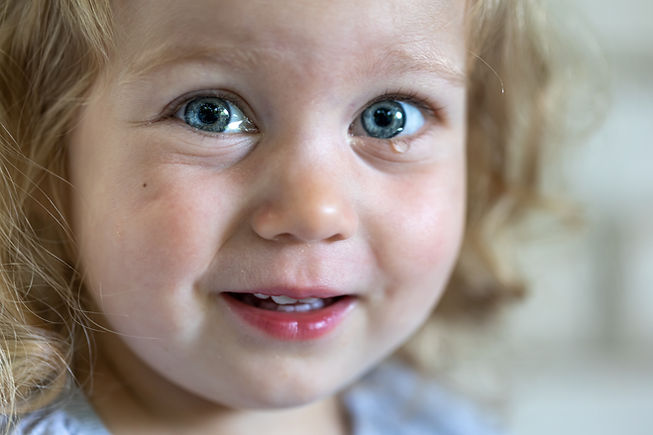
Eye Conditions in Babies
Eye-related symptoms are among the most common reasons parents consult a paediatrician during the first months of their baby’s life. Sticky or discharging eyes, eyelids that become stuck together, excessive tearing or swollen eyelids can understandably cause concern, as it is not always easy to tell whether the problem is temporary and harmless or requires treatment. At Primavera Medical Center, eye problems in babies are assessed by Dr Veronika Keszthelyi and Dr Fanni Kerpel, specialists in infant and paediatric medicine.
Blocked Tear Duct
At Primavera Medical Center, eye problems in babies are assessed by Dr Veronika Keszthelyi and Dr Fanni Kerpel, specialists in infant and paediatric medicine. Through their hospital work, they regularly treat common eye conditions in babies, including blocked tear ducts, conjunctivitis and other eye-related symptoms.
An examination is recommended if:
-
the eye is constantly watery or producing discharge
-
the eyelids regularly become stuck together overnight
-
the discharge is yellowish, greenish or excessive
-
swelling or redness appears near the inner corner of the eyelid
-
the condition does not improve or keeps returning
Conjunctivitis in Babies and Children
Conjunctivitis can affect both babies and young children and may be caused by a bacterial or viral infection, an allergic reaction or irritation. Although the symptoms can look very similar, the appropriate treatment depends on the underlying cause, which is why accurate assessment is important.
An examination is recommended if:
-
the eye is red, swollen or producing discharge
-
there is a large amount of yellow or green discharge
-
both eyes ar affected, or symptoms spread from one eye to the other
-
your child frequently rubs or presses their eyes
-
the problem keeps returning or does not improve within a few days
-
you are concerned that the condition may be contagious and your child attends nursery, kindergarten or school
During the examination, parents receive clear guidance on the likely cause of the symptoms, whether treatment is required, whether the child can attend nursery or school, and what to look out for at home.

Insect and Tick Bites in Children
Mosquito, wasp, spider and tick bites are common in children and, in most cases, improve on their own within a few days. However, because children have more sensitive skin, their reactions can sometimes be more pronounced. Even an ordinary mosquito bite may cause significant swelling and persistent itching, which can sometimes look like an infection despite being only a strong local reaction.
For parents, the difficult part is knowing what is still considered a normal reaction and when medical assessment is needed. Warning signs include spreading redness, pus or other signs of infection, an expanding rash following a tick bite, or fever. Signs of a generalised allergic reaction require urgent medical attention. In our article, we explain the symptoms associated with different types of bites, what you can do at home and when you should consult a doctor.

Pinworm Infection in Children
Pinworm infection is one of the most common intestinal worm infections in children, particularly among those attending nursery, kindergarten or school. It is not a sign of poor hygiene – the infection can spread extremely easily through contaminated toys, objects and surfaces. The most characteristic symptom is itching around the anus at night, which may lead to disturbed sleep, tiredness and irritability. Pinworm infection is usually straightforward to treat, but reinfection is common if treatment and hygiene measures are not followed correctly. Treatment may need to be repeated according to medical advice, and other members of the household may also require treatment.
Medical assessment is recommended if:
-
your child experiences itching around the anus at night and restless sleep
-
small white thread-like worms can be seen in the stool or on nightwear
-
recurring abdominal pain occurs around the navel
-
a girl develops recurrent vulval or vaginal irritation
-
the infection returns despite treatment
-
the child is under 2 years of age
-
you are unsure whether the symptoms are actually caused by pinworms
Many parents initially try an over-the-counter treatment, only to find that the infection returns a few weeks later. Correct treatment of pinworm infection involves several important steps. A medical consultation can help confirm the diagnosis and provide a treatment plan tailored to the child and family, helping to prevent repeated reinfection.

Comfortable Vaccination
Vaccinations can be frightening for many children. One of our priorities is to make sure the experience is as calm and reassuring as possible. We make a conscious effort to ensure that vaccination is not remembered as a stressful or painful experience, but instead takes place in a safe and supportive environment.
What happens during the vaccination?
-
vaccinations are given at a pre-arranged appointment
-
your child does not come into contact with infectious patients
-
we provide a calm and controlled environment
-
parents remain involved throughout the entire process
How do we make vaccination as comfortable as possible?
-
we use specialised techniques to minimise discomfort
-
we communicate in a way that is appropriate for your child’s age
-
we take your child’s fears and reactions into consideration
Our aim is to make vaccination feel safe, manageable and as comfortable as possible.
If calm, child-friendly medical care is important to you, we are here to provide it for you and your child.

Paediatric Urological Problems
“It hurts when I pee.” “It burns when I pee.” “I need to go to the toilet all the time.”
These are some of the most common concerns we hear from parents. Possible causes include a urinary tract infection, local irritation in girls, inflammation or problems affecting the foreskin in boys, and – in the case of persistent symptoms – bladder dysfunction or underlying constipation. These conditions require different approaches to treatment, which is why identifying the cause is important.
Medical assessment is recommended if:
-
your child complains of pain, burning or stinging when urinating
-
they suddenly need to use the toilet much more frequently or struggle to reach it in time
-
bedwetting or daytime wetting returns after they have previously been toilet trained
-
the urine appears cloudy, has an unusual smell or contains blood
-
urinary tract infections recur or your child develops a fever without a clear cause
-
the external genital area is red, irritated or itchy in girls
-
the foreskin is painful, inflamed or causing problems in boys
-
one side of the scrotum is swollen or tense, or a testicle cannot be felt
The assessment begins with a detailed discussion of the symptoms and your child’s daily habits. If necessary, this may be followed by urine testing and/or an ultrasound examination.
How We Work?
Our consultations are not simply about providing quick answers. We take the time to investigate the problem and understand what may be causing it.

What Happens During the Consultation?
The process includes:
-
discussing your child’s symptoms and medical history in detail
-
carrying out a physical examination
-
considering and identifying possible causes
-
developing an appropriate treatment plan
Our goal is for you to leave not only with an answer, but with a clear plan for what to do next.


Meet Our Paediatricians
At Primavera Medical Center, Dr Veronika Keszthelyi and Dr Fanni Kerpel welcome children and their parents in a calm and reassuring environment.
Our specialists provide comprehensive assessment and treatment for a wide range of paediatric conditions, from common childhood complaints to more complex cases. Rather than focusing solely on relieving symptoms, they aim to identify possible underlying causes and recommend solutions tailored to each child’s age, condition and individual needs. We believe it is particularly important for parents to receive clear and accurate information about their child’s condition, any examinations that may be required and the next steps in their care.
With an empathetic, patient and thorough approach, our paediatricians aim to provide families not only with reassurance, but also with practical support and a clear plan they can confidently follow.

What Makes Our Consultations Different?
Specialist expertise and a structured approach
Many parents come to us because:
-
they have not received a clear answer
-
only symptomatic treatment has been recommended
-
they are unsure what is actually causing the problem
We help you understand the situation and feel confident about the next steps in your child’s care.